
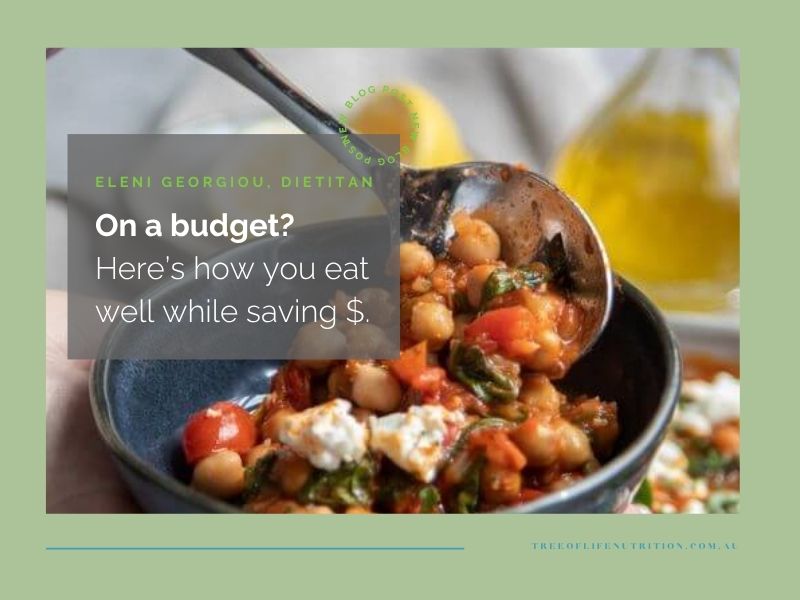
Watching your waistline and your wallet? We get it – the cost of living can be high for many of us right now, and food expenses can mount up if we’re not careful. Many say that healthy eating is much more expensive…but is that true? We know that many fast food outlets offer budget meals, and this can be tempting, but you don’t have to eat that way all the time. I’m here to bust the myth that healthy food costs more! In this article, I’m going to show you how to create that same type of “fast food saving” with healthy food! Helping you stay on track with your health goals while you save money. I hope these tips inspire you to prioritise your nutrition even when you don’t have a lot of cash to burn!
Where we go wrong with budgeting and nutrition.
There are a few ways we tend to go wrong when it comes to healthy eating on a budget, and often these can be our undoing.
Fixating on discounts
Once the decision is made to tighten the purse strings, it’s common to look for ‘savings’ everywhere. While it’s great to be mindful of prices, the discounting psychology is often used in marketing by fast food chains, and even our major supermarkets to help bring in more customers and beat the competition. Family-sized meal boxes, 2-for-1 deals, and products that look heavily discounted. These front-end specials aren’t necessarily the best quality or have optimal health benefits. In reality, there is more to healthy eating on a budget than just going for the advertised specials.
Unusual ingredients
On the other side of the coin, our budget can often unravel at the ingredients list when trying to re-create some healthy recipes! It’s easy to get excited about healthy eating, and there are lots of recipes out there! While it’s great to search out new meals, we can overlook a vital point about the recipe – and that is, its cost-per-serve. Many times, this is not included. Sometimes healthy recipes feature ingredients that are hard to find, expensive to buy and are only used once. Eating healthy from this perspective will definitely blow the budget.
Lack of time
One of the kickers when it comes to nutrition on a budget is having enough time to plan, shop and cook. In our very time-poor lives, we often need dinner on the table quickly, and this can be our downfall. Unprepared, we can often resort to quick meals that we know we can make in a hurry, even if they don’t match our health goals. Or we resort to takeaway, which often sees us having to drop one of our goals – the savings or the nutrition! (Keep reading to find some solutions to this, and an offer of 1:1 support to plan more efficiently!)
7 tips for getting healthy eating on a budget right
1. Plan well.
Planning is the key to nailing nutritious eating, and especially when you’re on a budget. Meal planning doesn’t have to take too long. Deciding on a 7 or 14-day meal rotation is a great idea, sticking to recipes that are healthy and budget-friendly that you plan out and shop for ahead of time. Once you get the hang of things you can also add in a little weekly prepping time – even if it’s just washing and cutting up vegetables for use in your recipes. This can be very helpful when you’re rushed for time during the working week.

2. Buy what’s in season.
Seasonal fruit and veg is usually much cheaper, and better quality too, because it hasn’t travelled miles to get to you. (Seasonal veg usually also goes with the recipes that match the season – so it’s a win-win!) And the other big win? Seasonal produce is generally tastier, which makes healthy eating that much easier.
3. Create staple shopping lists.
Having a ‘go-to’ shopping list of healthy items helps you avoid being tempted by those specials at the supermarket. Or buying random ingredients that you only use once. Find out what’s healthy and reasonably priced, and use the list regularly to create a pattern of healthy eating you can fall back on time and again.
4. Shop around for the best deals.
Investigate places where you can find what you need for the best price. For instance, can you find some of your staples at Aldi? Also try out your local farmer’s market to see if you can catch a bargain on a range of produce. The more you shop there, the easier it becomes to find the right stalls to suit your needs.
5. Sensible swaps.
Consider swapping out fresh fruit and vegetables for frozen to save money and wastage. Produce is usually snap-frozen on picking, so it can often retain more nutrition. Frozen is a great option when buying out of season, because you can use what you need, and keep the rest frozen for another time. You can also consider swapping ingredients within recipes. If a recipe calls for an unusual or expensive ingredient, consider what you can swap out to provide a similar flavour or texture. Cutting corners and finding product alternatives or different ways of achieving healthy eating does not mean failure nor does it take away from the quality of your diet.
6. Make meals go further.
Consider adding legumes like lentils, chickpeas or beans to your favourite dishes. These foods are higher in protein and fibre. Likewise, adding extra budget-friendly vegetables like seasonal vegetables, frozen broccoli, frozen mixed vegetables, or green beans to your meat dishes boosts the nutritional value. This approach helps stretch out the meal, and increase the number of portions you can serve. It may also give you leftovers for work the next day!

7. Use what you have.
We often waste a lot of food, and this doesn’t make good budget sense. Try to use ingredients across multiple dishes during the week to help use up what you’ve bought rather than throwing excess away. If you find you have a pantry, fridge, or freezer full of items that don’t make a meal, why not try to create a week of recipes to use them up? This can be a lot of fun, and you may find you get a few new favourite recipes out of the exercise.
A Tree of Life Nutrition dietitian can help you get your nutrition right whatever your budget.
If you’re serious about your health, and want to ensure the right balance between your nutrition and your budget goals, then we encourage you to seek some professional help. Often seeing a dietitian can be excellent value for money because not only are you catering to your nutritional needs, but you can open up a range of flavours, meal ideas, shopping tips, budget advice and eating out tips that you may not have thought of before. Your Tree of Life Nutrition Dietitians are experienced at helping you eat well on a budget. We offer:
- Weekly and fortnightly customised meal plans that help you towards your goals, understanding your schedule, cooking ability and health goals.
- Personalised recommendations tailored to your budget.
- Options for quick, no-cook and minimal-prep meal ideas for those who struggle with cooking or for days when you’re too busy.
- Supermarket shopping lists and personalised supermarket tours to help you streamline grocery shopping on a budget.
- Expert knowledge of convenient, store-bought options that meet budget requirements and your nutritional needs.
Ready to get started?
Make your appointment for a 7 or 14 day meal plan, or a 1:1 initial appointment.
DISCLAIMER:
The content in this article is not intended as medical advice and is of a general nature. For nutritional support and advice tailored to you, a 1:1 consultation is always the best approach. Please contact our clinic to discuss your unique situation.
Get more nutrition tips