Plant-based eating continues to grow in popularity here in Brisbane. While vegan or vegetarian eating is a significant component of plant-based eating, as dietitians focused on supporting plant-based eating, we like to look at it more broadly than that. Plant-based eating is not about following a strict label. It’s about embracing more plant foods to support gut health, metabolic health and long-term wellbeing. Whether you eat meat, follow a plant-forward approach, or choose a fully plant-based diet it’s about making plants a priority in your weekly menu. So let’s dive into plant-based eating and the many benefits it can provide.
What is a plant based diet?
Plant-based eating exists on a spectrum. For many people, it means:
- Eating more vegetables, fruits, legumes, whole grains, nuts and seeds
- Reducing reliance on highly processed foods
- Continuing to include meat, fish, eggs or dairy as desired
For others, it means a vegetarian or vegan diet where all foods come from plant sources.

A vegetarian diet excludes meat and fish but may include animal-derived foods such as dairy products and eggs, depending on the type of vegetarian diet followed. While a vegan diet excludes all animal-derived foods, including meat, fish, dairy, eggs and honey. From a nutrition standpoint, both approaches can support good health when meals are balanced and well planned.
Benefits of plant based eating for gut health
One of the most significant benefits of plant-based eating is its impact on gut health and the gut microbiome. Plant foods are the main source of dietary fibre, which is essential for feeding beneficial gut bacteria. When gut microbes ferment fibre, they produce short-chain fatty acids, which:
- Strengthen the gut lining
- Reduce inflammation
- Support immune health
- Improve metabolic regulation
Most Australians do not meet recommended fibre intakes, making plant-based foods a key focus for us as dietitians when it comes to supporting diet for improved gut health.
Different fibres nourish different bacteria, which encourages increased microbial diversity. Eating a wide variety of plant foods, rather than just one or two staples, is associated with a more diverse gut microbiome, which is linked to better digestion, improved nutrient absorption and a lower risk of chronic disease.
This doesn’t require perfection – simply increasing plant diversity over time makes a difference.
5 more benefits to plant-based diets
1. Cardiometabolic health.
Whole-food plant-based diets are associated with lowering metabolic risk factors. This includes LDL cholesterol, lower blood pressure, improved insulin sensitivity and blood glucose control and reduced risk of cardiovascular disease and type 2 diabetes. This is largely due to higher intakes of fibre, unsaturated fats, antioxidants and phytochemicals, and lower intakes of saturated fat.
2. Weight management.
Plant-based patterns tend to be lower in energy density and higher in fibre and water content. This supports satiety and sustainable weight management without rigid restriction.
3. Reduced inflammation.
Fruits, vegetables, whole grains, legumes, nuts and seeds provide polyphenols and antioxidants and other nutrients that are anti-inflammatory. This can support conditions linked to chronic inflammation, including metabolic syndrome and cardiovascular disease.
4. Micronutrient density.
Well managed plant-based diets are rich in folate, vitamin C, vitamin K, magnesium and potassium as well as phytochemicals not found in animal foods.
5. Sustainability.
Plant based eating can flex with you long term with a Mediterranean diet, pescatarian, flexitarian or vegetarian options. Plant-based eating also aligns with environmental sustainability.
How can meat-eaters adopt plant-based eating?
You don’t need to follow a vegetarian or vegan diet to benefit from plant-based eating. If you have always structured meals around meat, putting the focus onto plants might feel daunting at first. A common concern is often “what will I be missing out on?”
From a dietitian’s perspective, eating more plants doesn’t mean simply removing meat and hoping for the best. When plant-based meals are designed properly, they can be filling, flavourful and nutritionally balanced. So in reality, plant-based meals offer more variety rather than taking anything away.

From a practical nutrition perspective, we often recommend:
- Filling half the plate with vegetables
- Including legumes several times per week (high in nutrients and protein)
- Choosing whole grains over refined grains
- Adding one to two vegetarian meals into your week where you can
- Reducing red meat consumption
- Making meat optional rather than central
This plant-forward approach improves diet quality without unnecessary restriction.
A fully plant based diet
Plant-based eating exists on a spectrum. For many people, it means:
- Eating more vegetables, fruits, legumes, whole grains, nuts and seeds
- Reducing reliance on highly processed foods
- Continuing to include meat, fish, eggs or dairy as desired
For others, it means a vegetarian or vegan diet where all foods come from plant sources.

Not all plant-based diets are equal
Food quality is crucial when it comes to plant-based eating. Diets high in ultra-processed foods like refined grains, sugary snacks or heavily processed meat alternatives do not provide the same health benefits as diets centred on whole, minimally processed foods. These foods deliver the greatest benefit for gut and metabolic health. Instead of processed foods, try:
- Whole vegetables and fruits
- Legumes
- Whole grains
- Nuts and seeds
The Mediterranean diet is a scientifically backed diet for health and longevity and at its foundation is plants! One of the strengths of a plant-based Mediterranean Diet is that it’s not all-or-nothing. It suits people who:
Want to eat more plants but still enjoy fish or dairy
Have been advised to reduce red meat for heart health
Prefer a flavour-focused, social way of eating
Want something sustainable long term
Rather than eliminating foods, it shifts the balance of the plate so plants do most of the work.
Making plant-based eating simple and enjoyable
At Tree of Life Nutrition, we have found one of the biggest barriers to eating more plant-based meals is lack of clear guidance. Online advice and recipes can sometimes be inconsistent, and meals poorly balanced nutritionally. This can leave many people unsure whether they are meeting their nutritional needs or doing “enough”. They may also end up resenting complicated rules or extreme changes in diet, or be worried plant meals are going to be unsatisfying.
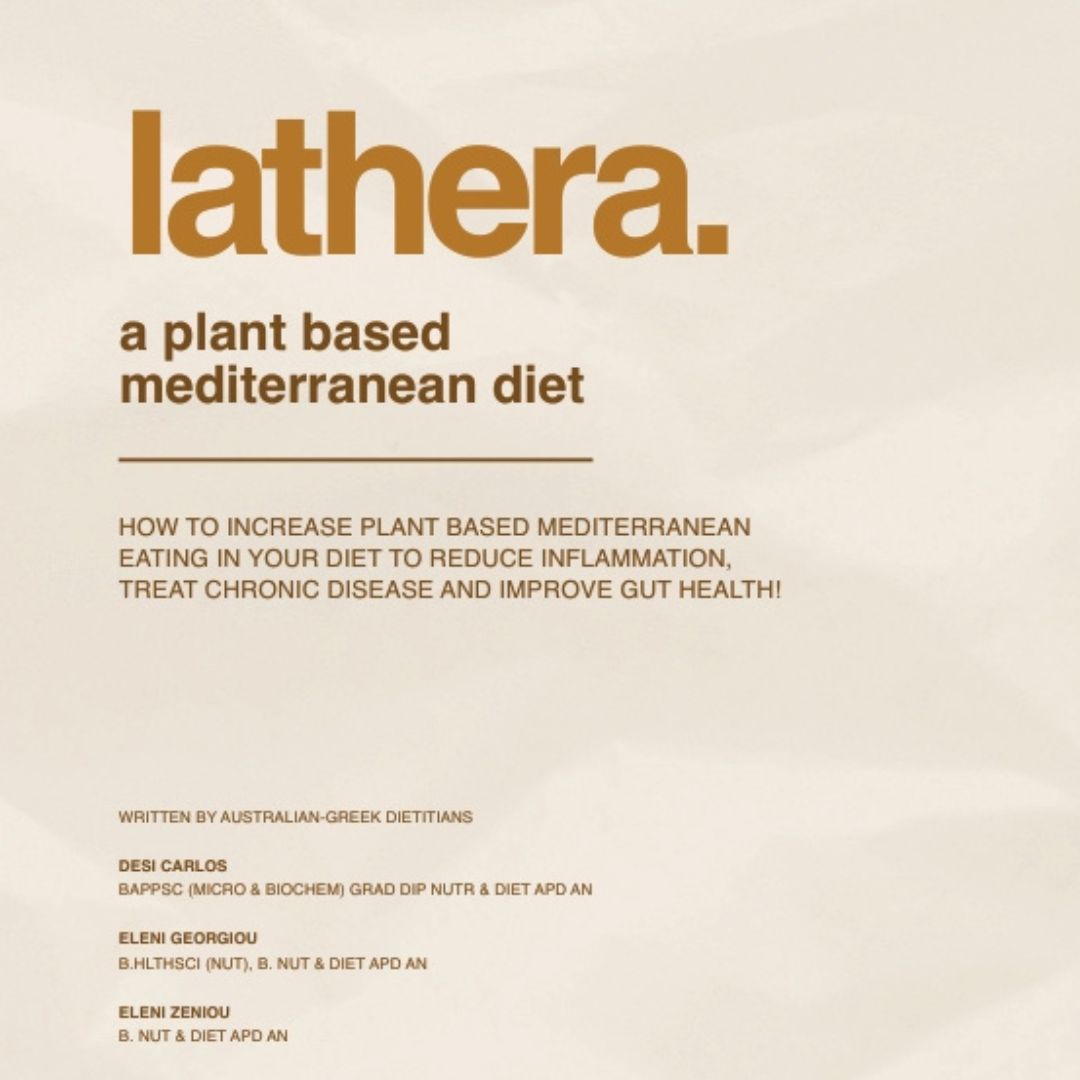
That’s why we created our newest cookbook Lathera: A Plant-Based Mediterranean Diet eBook to provide a clear, practical starting point for people who want to eat more plant-based meals without feeling like they’re missing out. The recipes are:
- Developed by Accredited Practising Dietitians here at Tree of Life Nutrition
- Designed to be flavourful and satisfying
- Easy to incorporate into an existing diet
- Balanced to support protein and key nutrients
- Delicious!
You don’t need to go fully vegetarian or plant-based to enjoy this book. Simply start by adding 2–3 plant-based dinners to your week and see how your palate and your routine shift over time. Of course, if you are vegetarian you’re going to love the huge selection of dietitian-approved Mediterranean recipes to add to your repertoire!
At any time if you would like personalised support and tailored meal plans for your plant-based eating journey, we can provide one on one consultations in Brisbane or if you don’t live locally, we can also provide online consultations across Australia via telehealth.
DISCLAIMER:
The content in this article is not intended as medical advice. It is also of a general nature and is not tailored to your individual circumstances. A 1:1 consultation is always the best approach. Please contact our clinic to discuss your unique situation and our tailored and individualised dietary support and meal planning for plant based eating.
Read more about plant-based eating and the Med. diet

The Benefits of Plant-Based Eating – A Dietitian’s Perspective

Is the Mediterranean Diet Good for Menopause?

Top 5 Healthy Restaurant Meals in Brisbane

Cauliflower Mash
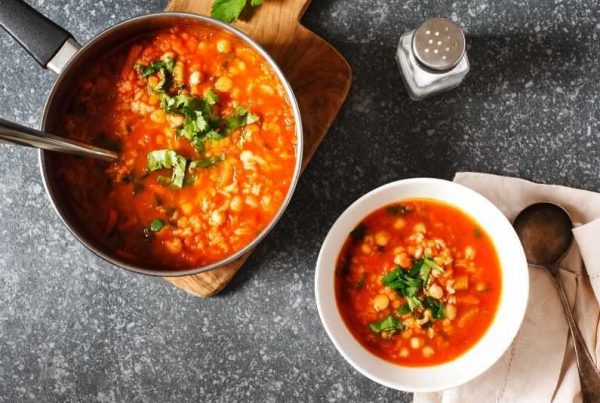
Spicy Chickpea, Tomato and Quinoa Soup